Creating a home office that feels both cozy and productive can transform your remote work experience. A well-designed workspace supports focus while providing comfort, helping you maintain a healthy work-life balance. Whether you have a dedicated room or a small corner, these tips will guide you in crafting an ideal environment tailored to your needs.
Choose the Right Location
Selecting the perfect spot for your home office is the first important step. Consider the following factors:
– Natural Light: Aim for a space near a window to take advantage of daylight. Natural light boosts mood and energy levels.
– Quiet Area: Look for a part of your home with minimal distractions and foot traffic.
– Space Availability: Ensure there’s enough room for your desk, chair, and other necessities without feeling cramped.
If space is limited, a well-organized corner or a closet conversion can also work well.
Invest in Comfortable and Functional Furniture
Comfort is key to productivity. Here’s what to keep in mind when choosing furniture:
Ergonomic Chair
Select a chair that supports good posture, with adjustable height and lumbar support. Sitting comfortably reduces strain and fatigue.
Desk Size and Shape
Choose a desk that fits your work equipment and leaves room for writing or other tasks. A desk with built-in storage can help keep clutter down.
Accessories for Comfort
– Footrests to reduce leg discomfort
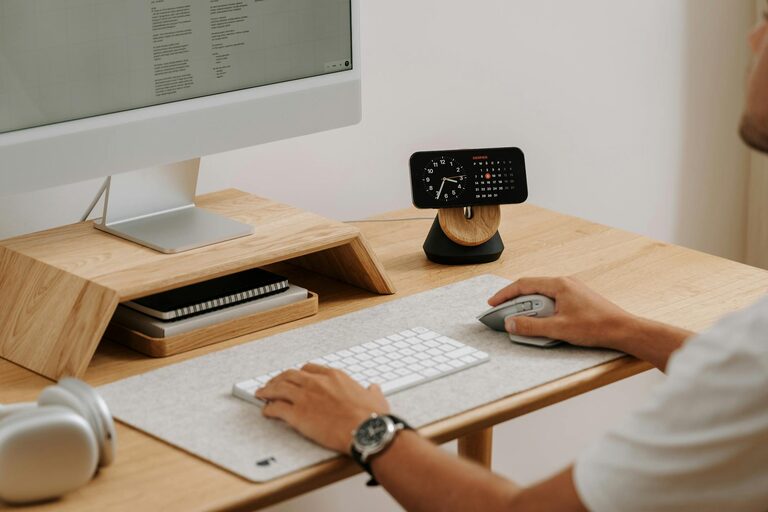
– Monitor stands to keep your screen at eye level
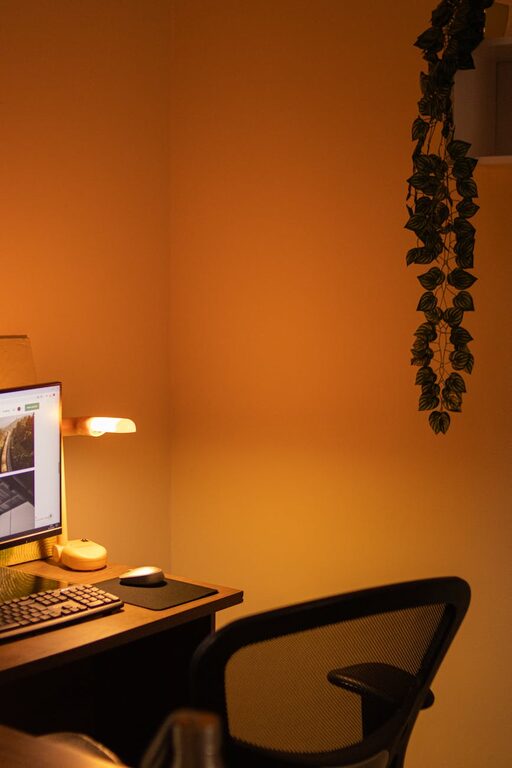
– Adjustable lighting like desk lamps for focused tasks
Organize for Efficiency
A clutter-free workspace enhances concentration. Organize your office using these methods:
– Storage Solutions: Use shelves, filing cabinets, or desk organizers to keep paperwork and supplies tidy.
– Minimal Essentials: Keep only necessary items on your desk to reduce distractions.
– Cable Management: Use clips or boxes to organize cords and prevent tangling.
Regularly declutter to maintain a clean, inviting environment.
Personalize Your Space
Adding personal touches can make your home office feel inviting and motivating:
– Decorate with a few favorite photos or art pieces.
– Include plants for a touch of nature; they improve air quality and create a calming atmosphere.
– Use your favorite colors in accents like cushions, rugs, or curtains to brighten the space.
Personalization should inspire you without creating clutter.
Optimize Lighting
Good lighting is essential for both comfort and focus:
– Maximize daylight whenever possible.
– Use layered lighting: ambient (general room light), task (desk lamp), and accent (decorative).
– Choose bulbs with a color temperature around 4000K for a neutral, natural light that minimizes eye strain.
Avoid harsh overhead lights or glare on your computer screen.
Set Boundaries and Routines
Creating a cozy and productive environment is also about mindset:
– Establish clear work hours to separate professional time from personal life.
– Use physical or visual cues, like closing a door or a room divider, to signal when you are working.
– Take regular breaks and move around to stay refreshed.
Having a routine helps maintain balance and focus.
Incorporate Technology Wisely
Make sure your technology supports productivity:
– Reliable internet connection.
– Quality headphones or speakers for virtual meetings.
– Additional monitors or keyboard accessories if they improve your workflow.
Keep your devices organized and charged, minimizing interruptions.
Maintain Air Quality and Temperature
Comfort extends beyond furniture:
– Open windows occasionally for fresh air.
– Use fans or heaters to maintain a comfortable temperature.
– Consider air purifiers if necessary, especially in small or enclosed spaces.
A pleasant environment reduces fatigue and promotes well-being.
Final Thoughts
Designing a home office that is both cozy and productive requires attention to comfort, organization, lighting, and personal preferences. By carefully selecting your location, investing in the right furniture, and establishing routines, you can create a space that makes working from home a rewarding experience. Remember, your workspace should support your best work while helping you feel relaxed and motivated.
About the Author