Creating a productive home office environment is key to staying focused and efficient while working remotely. Whether you’re new to working from home or want to improve your current setup, the right strategies can make a big difference. This guide offers practical tips to help you design a workspace that supports your productivity and well-being.
Choose the Right Location
Finding the perfect spot for your home office lays the foundation for productivity.
– Quiet Space: Pick an area away from noise and distractions, such as a spare room or a quiet corner.
– Natural Light: If possible, set up near a window to benefit from natural light, which can boost mood and energy.
– Separate from Living Areas: Try to keep your office space distinct from areas like the kitchen or bedroom to maintain work-life boundaries.
Invest in Comfortable and Functional Furniture
Comfort plays a big role in your ability to work efficiently and avoid fatigue.
– Ergonomic Chair: Choose a chair with adjustable height and support to maintain good posture.
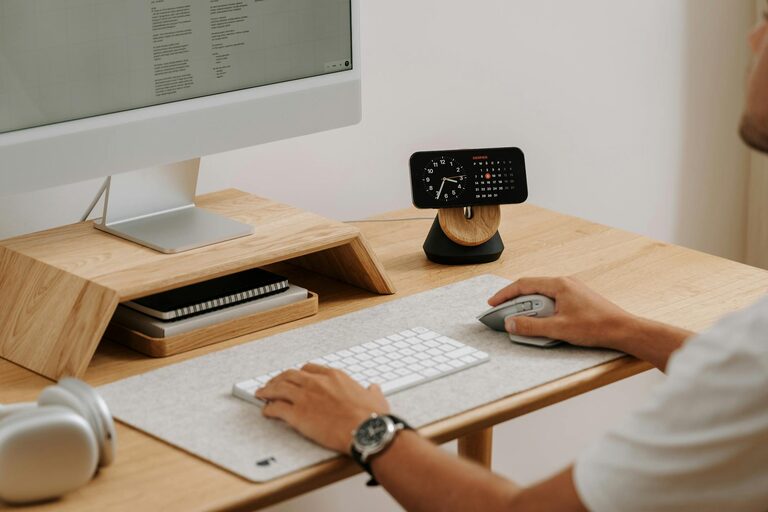
– Desk Size: Ensure your desk offers enough space for your computer, documents, and any tools or devices you need.
– Adjustable Setup: Consider a sit-stand desk or monitor stands to alternate positions during the day.
Organize Your Workspace
A clutter-free environment helps reduce stress and keeps your mind clear.
– Declutter Daily: Take a few minutes each day to tidy up and put away items.
– Storage Solutions: Use shelves, drawers, or organizers to keep supplies and papers in order.
– Cable Management: Use clips or ties to keep cords neat and prevent tangles.
Optimize Lighting
Good lighting reduces eye strain and helps you stay alert.
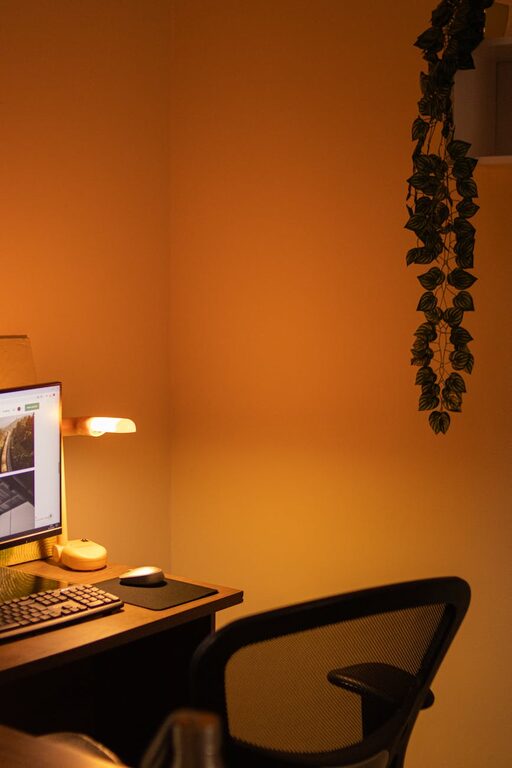
– Balance Light Sources: Combine natural light with a quality desk lamp or overhead lighting.
– Avoid Glare: Position your screen and light sources to minimize reflections and glare.
– Use Warm or Neutral Light: Choose lighting that is easy on the eyes rather than harsh or overly bright bulbs.
Minimize Noise and Distractions
A peaceful environment helps maintain concentration throughout the day.
– Noise-Canceling Headphones: These can block out background noise if your space isn’t naturally quiet.
– Set Boundaries: If others share your home, establish clear work hours and communicate your need for quiet during those times.
– Use White Noise: Some people find white noise machines or apps helpful to mask distracting sounds.
Personalize Your Space
Adding personal touches can make your workspace more inviting and motivating.
– Incorporate Plants: Small indoor plants improve air quality and add a soothing natural element.
– Decorate Wisely: Use artwork or photos that inspire you without overwhelming the area.
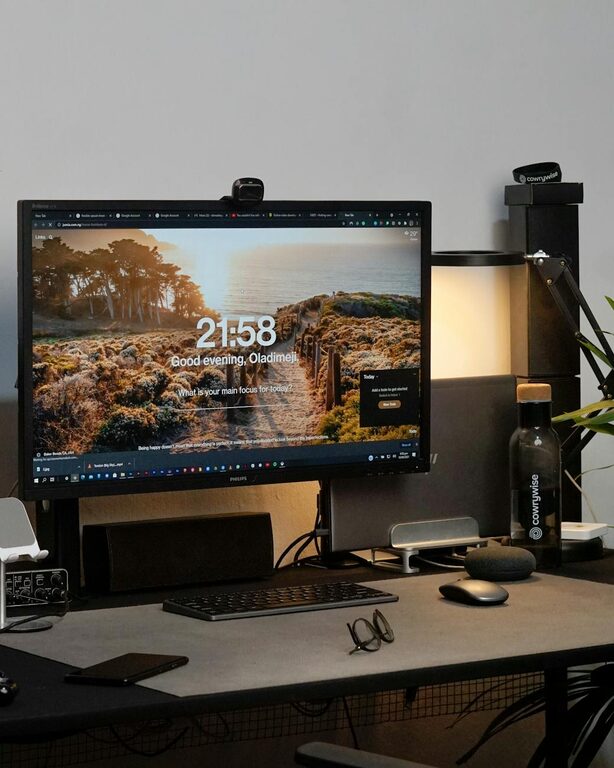
– Keep Essentials Nearby: Having your favorite water bottle, notebook, or desk accessories close can boost comfort.
Establish a Routine
Your environment supports productivity best when paired with consistent habits.
– Set Regular Hours: Define your working schedule and stick to it as much as possible.
– Create a Start-Up Routine: Begin your day with a set of actions like stretching, making coffee, or reviewing your tasks.
– Take Breaks: Step away from your desk regularly to recharge and avoid burnout.
Use Technology to Your Advantage
Leverage tools and devices that enhance your workflow.
– Reliable Internet: Ensure your connection is fast and stable to avoid interruptions.
– Task Management Apps: Use apps or calendars to keep track of deadlines and priorities.
– Automatic Backups: Protect your work with cloud storage or external drives.
Maintain Good Air Quality and Comfort
Physical comfort influences focus and energy levels.
– Ventilation: Open windows when possible or use fans to circulate fresh air.
– Temperature Control: Keep the room at a comfortable temperature to avoid distractions from being too hot or cold.
– Hydration and Snacks: Keep water and healthy snacks at hand to maintain energy without needing to leave the workspace often.
Regularly Assess and Adjust Your Setup
Your needs may change over time, so revisit your office environment regularly.
– Evaluate What Works: Notice which elements help or hinder your productivity.
– Make Improvements: Upgrade equipment, reorganize, or change locations if needed.
– Seek Feedback: If you share your workspace, ask others for suggestions on enhancing the environment.
—
By applying these tips, you can create a home office that’s comfortable, efficient, and supportive of your work goals. A well-planned workspace encourages focus, reduces stress, and helps you separate work from home life, making your remote work experience more enjoyable and productive.
About the Author