Working from home has become increasingly common, and having a productive home office environment can make all the difference in your daily work routine. Whether you’re freelancing, remote-working, or running a small business, setting up a space that promotes focus and efficiency is key. Here are some practical tips to help you create a home office environment that supports your productivity and well-being.
Choose the Right Location
Selecting the right spot for your home office is the first step toward creating a productive workspace. Ideally, choose a space that is quiet, has good natural light, and is separate from high-traffic areas in your home.
– Privacy matters: Find a room or a corner where you can work without interruptions.
– Natural light: Position your desk near a window to benefit from natural daylight, which can improve mood and energy.
– Avoid distractions: Stay away from noisy areas like the kitchen or living room if possible.
Invest in Comfortable and Functional Furniture
Ergonomic furniture is essential for both comfort and productivity.
– Ergonomic chair: Choose a chair that supports your lower back and allows your feet to rest flat on the floor.
– Proper desk height: Your desk should allow your arms to rest at a 90-degree angle while typing.
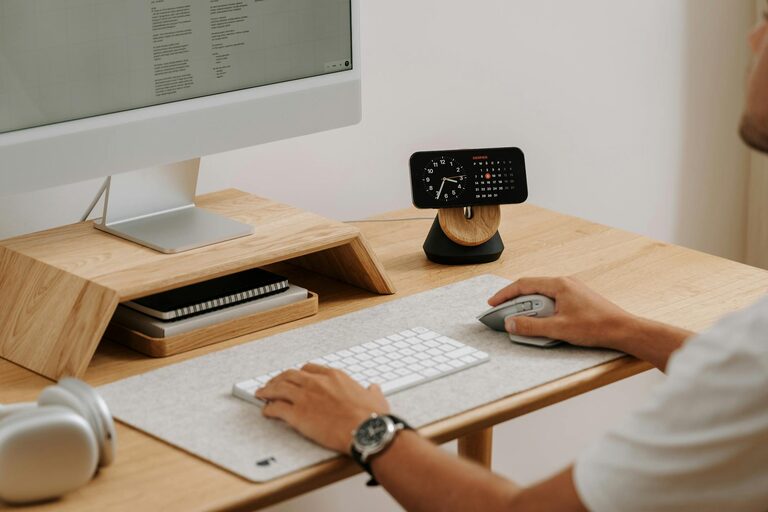
– Adjustable setup: Consider a standing desk or adjustable monitor stands to promote good posture.
Organize Your Workspace
Keeping your home office tidy helps maintain focus and reduces stress.
– Declutter regularly: Remove items that are not related to your work.
– Use storage solutions: Shelves, drawers, and organizers can keep documents and supplies in order.
– Designated zones: Create areas for different tasks, such as a computer workstation, writing space, and storage.
Optimize Lighting
Good lighting reduces eye strain and boosts productivity.
– Natural light first: Maximize daylight, but avoid glare on your screen.
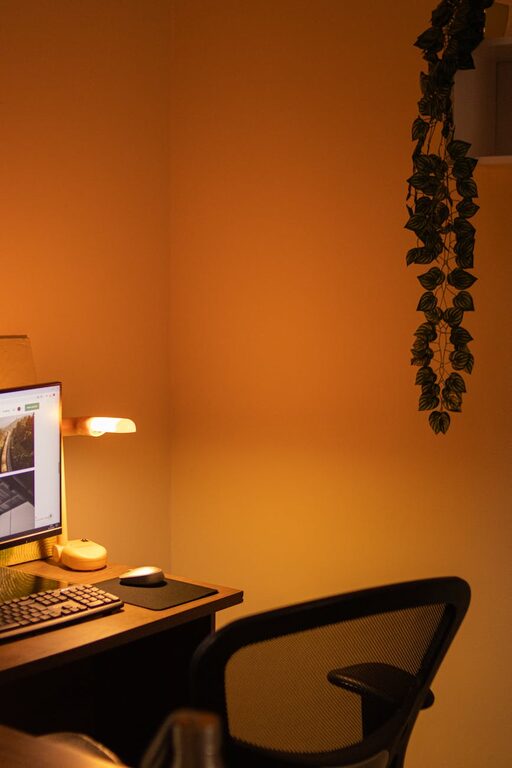
– Task lighting: Use a desk lamp with adjustable brightness for focused work during darker hours.
– Balanced lighting: Combine ambient lighting with task lighting to create a comfortable atmosphere.
Limit Distractions
Minimizing distractions helps maintain concentration throughout the workday.
– Turn off unnecessary notifications: Silence your phone or use apps that block distracting websites during work hours.
– Communicate boundaries: Let family members or housemates know your work schedule to reduce interruptions.
– Background noise: Use white noise machines or calming background music if it helps you focus.
Personalize Your Space
Adding personal touches can make your home office more inviting and motivating.
– Plants: Indoor plants improve air quality and add a refreshing element.
– Artwork or photos: Visuals that inspire or relax can positively influence your mood.
– Comfort items: A cozy blanket or a favorite mug can add a comforting touch.
Establish a Routine
A productive home office environment isn’t just about physical space; it’s also about how you use it.
– Set work hours: Define a clear schedule to create a sense of normalcy.
– Take breaks: Breaks help prevent burnout and keep your mind fresh.
– Start and end rituals: Simple routines like planning your day or tidying your desk at the end encourage discipline.
Use Technology Wisely
Technology can enhance productivity if used appropriately.
– Reliable internet: Ensure your connection supports video calls and online collaboration smoothly.
– Quality tools: Invest in good headphones, microphone, and a second monitor if needed.
– Organizational apps: Use calendars, task managers, and note-taking apps to stay organized.
Maintain Air Quality and Comfort
Physical comfort influences focus and energy levels.
– Ventilation: Keep your home office well-ventilated to maintain fresh air.
– Temperature control: Adjust heating or cooling to your preference to avoid discomfort.
– Hydration: Keep water nearby to stay hydrated during work hours.
Regularly Review and Adjust
What works for your home office might evolve over time.
– Check your setup: Periodically assess your workspace for comfort and efficiency.
– Adapt as needed: Change lighting, furniture, or layout to better suit your needs.
– Seek feedback: If sharing your space, discuss improvements with others.
—
Creating a productive home office environment takes some thought and effort, but the benefits are well worth it. A well-designed workspace can improve your focus, reduce stress, and make working from home more enjoyable and effective. With these tips, you’re well on your way to crafting a workspace that suits your needs and supports your best work.
About the Author