Creating a productive home office environment is essential for staying focused and motivated while working remotely. Whether you’re starting fresh or improving an existing space, small changes can make a big difference in your workflow and overall comfort. Here are some practical tips to help you design a workspace where you can thrive.
Choose the Right Location
Selecting the best spot in your home is the first step to productivity.
– Quiet and Private: Pick a space with minimal distractions and noise, so you can concentrate better.
– Natural Light: Position your desk near a window if possible. Natural light boosts mood and reduces eye strain.
– Separate from Leisure Areas: Avoid working in places associated with relaxation, like the bedroom or couch, to maintain a professional mindset.
Invest in Ergonomic Furniture
Comfort and posture impact your productivity and health during long work hours.
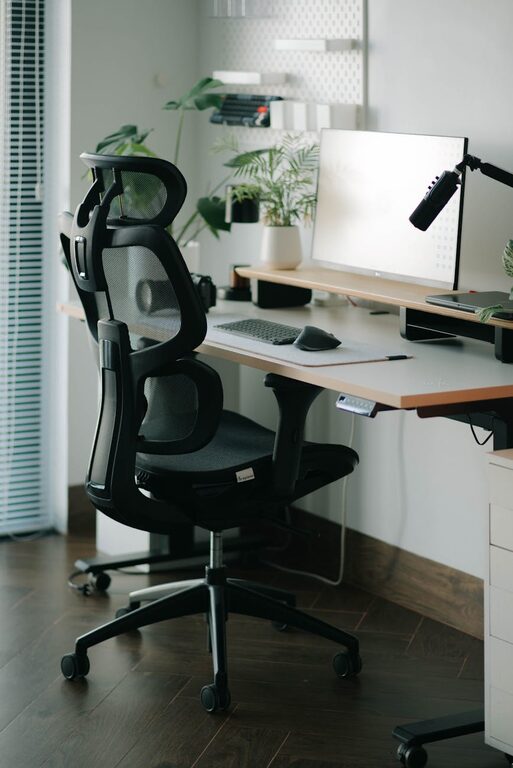
– Ergonomic Chair: Choose a chair that supports your lower back and promotes good posture.
– Adjustable Desk: Consider a desk with adjustable height to switch between sitting and standing.
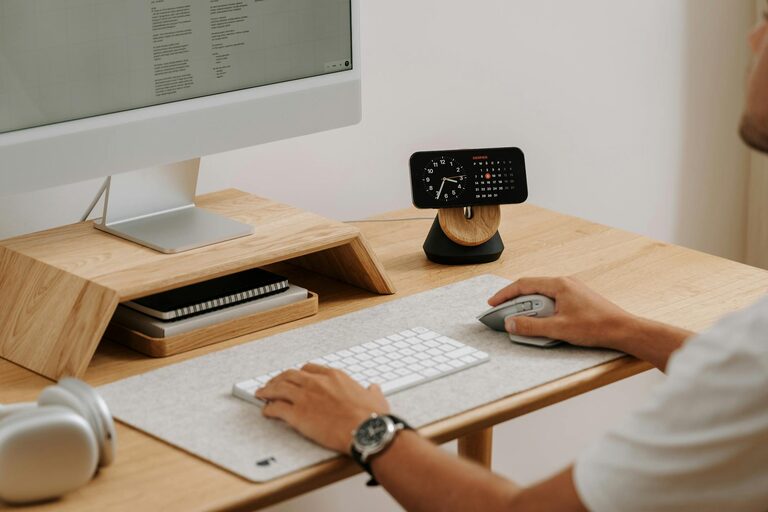
– Monitor Position: Your computer screen should be at eye level to prevent neck strain.
Declutter and Organize Your Space
An organized desk helps clear your mind and improves efficiency.
– Minimal Essentials: Keep only what you need on your desk.
– Storage Solutions: Use shelves, drawers, or baskets to store paperwork and office supplies.
– Cable Management: Tidy up cords with clips or sleeves to avoid a messy look.
Optimize Lighting
Proper lighting reduces eye fatigue and increases focus.
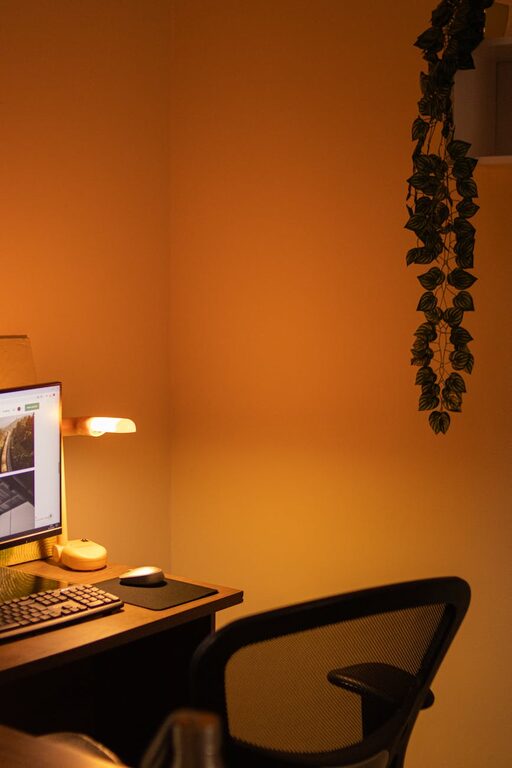
– Layer Lighting: Combine overhead lights with task lamps for balanced illumination.
– Avoid Glare: Position your screen perpendicular to windows or bright lights to prevent reflections.
– Adjustable Lamps: Use lamps with adjustable brightness and color temperature for different times of day.
Personalize Your Workspace
Adding personal touches can make your workspace inviting and motivating.
– Plants: Indoor plants improve air quality and add a calming vibe.
– Artwork or Photos: Choose images that inspire or bring joy.
– Color Scheme: Use colors that energize or relax you, depending on your needs.
Establish Boundaries and Routine
A structured routine helps separate work life from home life.
– Set Work Hours: Define when your day starts and ends to avoid burnout.
– Breaks: Schedule short breaks to stretch, move, and refresh your mind.
– Signal Boundaries: Use a “do not disturb” sign or closed door to minimize interruptions.
Minimize Distractions
Removing or reducing distractions is key to maintaining productivity.
– Silence Notifications: Turn off non-essential alerts on your phone and computer.
– Limit Social Media: Use apps or browser extensions to block distracting websites during work hours.
– Communicate with Household: Let family or roommates know your work schedule and needs for quiet time.
Use Technology Wisely
Equip your home office with tools that enhance work efficiency.
– Reliable Internet: A fast and stable connection prevents disruptions.
– Quality Headphones: Noise-cancelling headphones can block background noise.
– Productivity Apps: Use calendars, task managers, or focus timers to stay organized.
Maintain Cleanliness
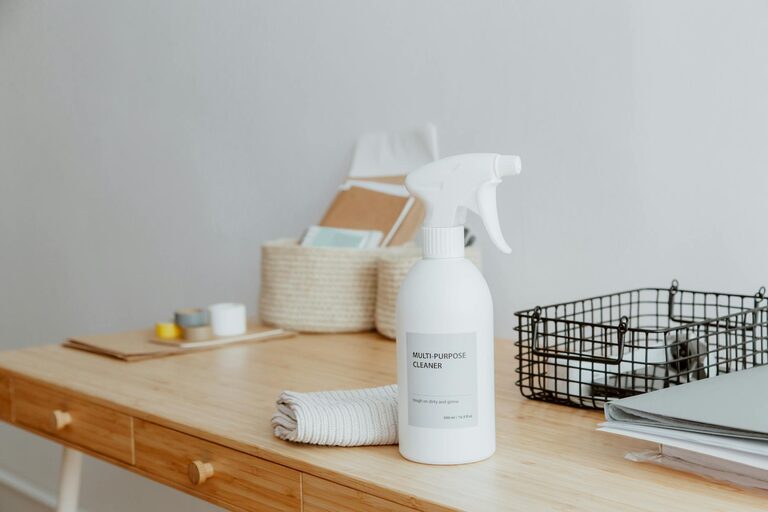
A clean workspace contributes to a clear mind.
– Daily Tidy-Up: Spend a few minutes at the end of each day organizing your desk.
– Regular Cleaning: Dust surfaces and vacuum to maintain a fresh environment.
Final Thoughts
Designing a productive home office is about creating a space that supports your work style and personal comfort. By focusing on location, ergonomics, organization, and routine, you can build an environment that fosters efficiency and well-being. Take time to experiment and adjust your setup until it feels just right for you.
Remember, a productive workspace is not only about tools and furniture but also about habits and mindset. With the right environment and approach, working from home can be both enjoyable and successful.
About the Author